

What is Niacinamide?
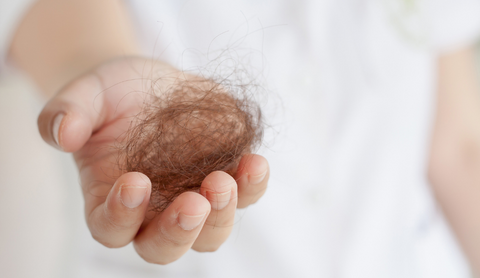
Niacinamide is an organic compound crucial for many biochemical processes in the human body. It is more commonly known as vitamin B3, and another interesting official name is nicotinic acid or vitamin PP. A deficiency of this vitamin leads to the deadly disease pellagra, which is successfully treated only with the application of Niacinamide. Numerous medical studies have also confirmed its benefits in the fight against hair loss. Niacinamide works in the body by converting carbohydrates into energy and also triggering receptors that deliver this energy to all cells in our body, thus helping them maintain their integrity. Since it is a very important vitamin for the functioning of our body, we must include it in our daily diet. It is found in many foods, e.g., fish (most in tuna), mushrooms, red beets, nuts, sunflower seeds, and some dairy products.
Why is Niacinamide important for hair growth?
Niacinamide plays an important role in the transport of oxygen and nutrients to hair follicles. Consequently, it limits hair loss and accelerates the growth of new hair. Just as plants need fertile soil for their growth, a healthy scalp is also an important factor for growing healthy and beautiful hair. However, Niacinamide is not the only ingredient needed for healthy hair; a balanced and healthy diet is crucial. Blood circulation is essential for hair growth, as this is the only way Niacinamide reaches the hair follicles.
How does Niacinamide work?
Niacinamide increases blood circulation in the scalp. A study with 28 volunteers, 14 of whom suffered from early male pattern baldness and 14 who were not affected by baldness, yielded interesting results. Researchers studied blood circulation in the scalp and tried to link it to baldness. The study showed that blood circulation in men with early baldness was 2.6 times lower. The study focused on current blood supply, and scientists did not determine whether lower blood circulation in the scalp is responsible for baldness or if it is merely a negative side effect. We can conclude that lower blood circulation is directly related to the onset of baldness. Studies have also shown that blood circulation in the scalp can be stimulated by injecting botulinum, which reduces tension and improves blood flow to the scalp. Instead of botulinum, niacinamide can be used. Niacinamide causes capillary vessels to dilate on the surface. Redness often occurs, and in some cases, even tingling. The redness usually disappears within ten minutes. In addition to increasing blood circulation in the capillaries, it thins the blood, which also contributes to better blood supply to the hair follicles.
Niacinamide prevents inflammation.
Dihydrotestosterone, also known as DHT, affects not only sexual function and reproduction but also the health of hair, skin, and the brain. It causes inflammation and increased hair loss. Most research on the benefits of Niacinamide focuses on its anti-inflammatory capabilities in preventing cardiovascular diseases, but Niacinamide is capable of preventing or reducing inflammation symptoms throughout the body, regardless of which part of the body is affected by inflammation. Niacinamide has also shown promising results in lowering C-reactive protein (hs-CRP) values in the body. In volunteers treated with niacinamide, inflammatory values decreased by 20%. While most niacinamide research is dedicated to its role in preventing cardiovascular diseases, hs-CRP is a marker for determining inflammation anywhere in the body. Higher hs-CRP values indicate not only an increased risk of cardiovascular diseases but also uncontrolled inflammation anywhere in the body, including the scalp. Studies have confirmed that niacinamide lowers hs-CRP values in the body. Niacinamide has anti-inflammatory properties that help reduce inflammation on the scalp or alleviate sensitivity symptoms arising from DHT.
Niacinamide restores keratin.
Niacinamide has extremely positive effects on keratin. Keratin is a fibrous structural protein responsible for protecting epithelial cells on the skin's surface. Keratin is responsible for the health of hair and nails and is an important part of their genetic composition. Niacinamide accelerates keratin synthesis, which contributes to the growth of stronger and healthier hair. Niacinamide amide is a derivative of Niacinamide which, with the addition of an amino group, prevents moisture loss and improves skin hydration. During the anagen phase, keratinization occurs, which involves keratin proteins moving from under the skin to its surface. Since hair is almost entirely made of keratin, a lack of keratin can lead to thinner and weaker hair. The mentioned derivative of Niacinamide induces keratin production, which helps in successful keratinization.
Niacinamide repairs damaged DNA.
Niacinamide is converted in the body into a coenzyme known as nicotinamide adenine dinucleotide (NAD), which participates in several metabolic processes. NAD in the biological process converts compounds into energy, a process called oxidative phosphorylation. This process mitigates and repairs DNA damage to some extent.
Do you consume enough Niacinamide?
Hair loss and weight gain are among the first signs indicating niacinamide deficiency in the body. Our lifestyle, including smoking, alcohol consumption, and taking certain medications, including pain relievers, antidepressants, and antibiotics, also contributes to lower niacinamide levels. These factors contribute to the body's inability to absorb certain vitamins or simply neutralize them. Vitamins that improve circulation and blood flow also help with scalp health. The scalp needs nutrient-rich blood. External factors such as certain hairstyles also affect hair health…
What foods contain Niacinamide?

Although there are dietary supplements with Niacinamide, it can be found in many foods: avocado, asparagus, fish, peas, liver, mushrooms, peanuts, sunflower seeds...
Of course, cooking reduces the niacinamide content in foods.
Can you overdose on Niacinamide?
Although Niacinamide is healthy and positively affects our body, it should not be overdone. Overdosing can lead to the following negative side effects: abdominal pain, itching, rapid heartbeat, liver damage, nausea and vomiting, skin redness... When taking dietary supplements, consult your doctor. In addition to the mentioned health problems, excessive consumption of Niacinamide can also cause hair loss! It is practically impossible to ingest too much niacinamide through diet, but problems arise when a balanced diet is combined with dietary supplements.
How can overdose be prevented?
As we have already mentioned, it is not possible to consume too much niacinamide through a balanced diet, unless you can eat 50 avocados a day. Consult your doctor before taking dietary supplements. If the aforementioned negative side effects occur, stop taking the supplements immediately. Long-term use can damage the liver.
Who is at risk?
Overdosing can happen to anyone taking Niacinamide supplements. Diarrhea, redness, nausea... are not just random negative side effects. When taking Niacinamide supplements, we recommend avoiding alcohol.
Pregnant and breastfeeding mothers must consult their doctor or gynecologist before taking the supplement.
Frequently Asked Questions about Niacinamide
How can I increase the niacinamide content in my body?One avocado provides approximately 15% of the daily niacinamide intake. What about topical application?
If you want to apply it topically, simply mash an avocado until it becomes liquid. Add a spoon of honey, and you will get a very nutritious ingredient. In moderate amounts, Niacinamide creates excellent conditions for our hair and scalp. Consuming foods rich in vitamin B3 and taking dietary supplements under medical supervision are good support. For beautiful hair, vitamins can be consumed or applied topically.